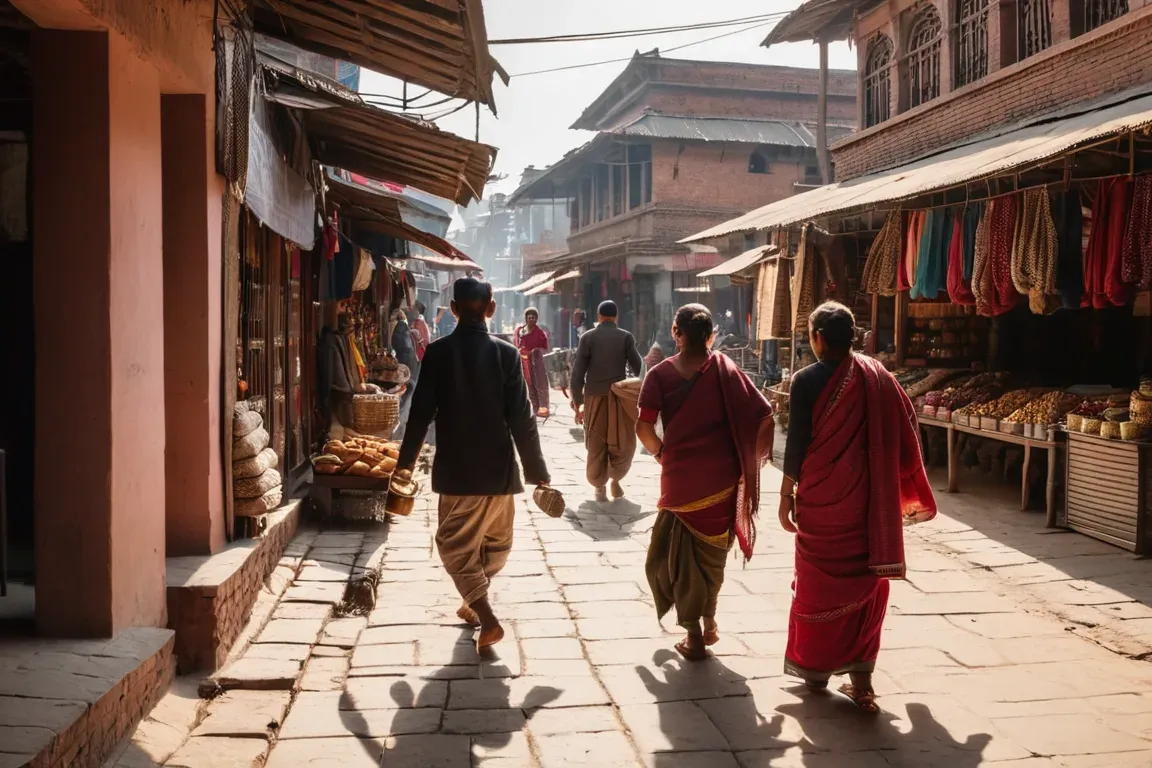
Hiking in Nepal: Everest Region Without the Crowds
Nepal is a hiking paradise, offering treks across diverse terrains and impressive landscapes. But for those seeking less crowded routes without sacrificing quality or difficulty, the Everest region stands out as an ideal destination. This trail offers some of the most challenging but rewarding hikes in Nepal, allowing hikers to experience the wilderness at its best. read more travel guides
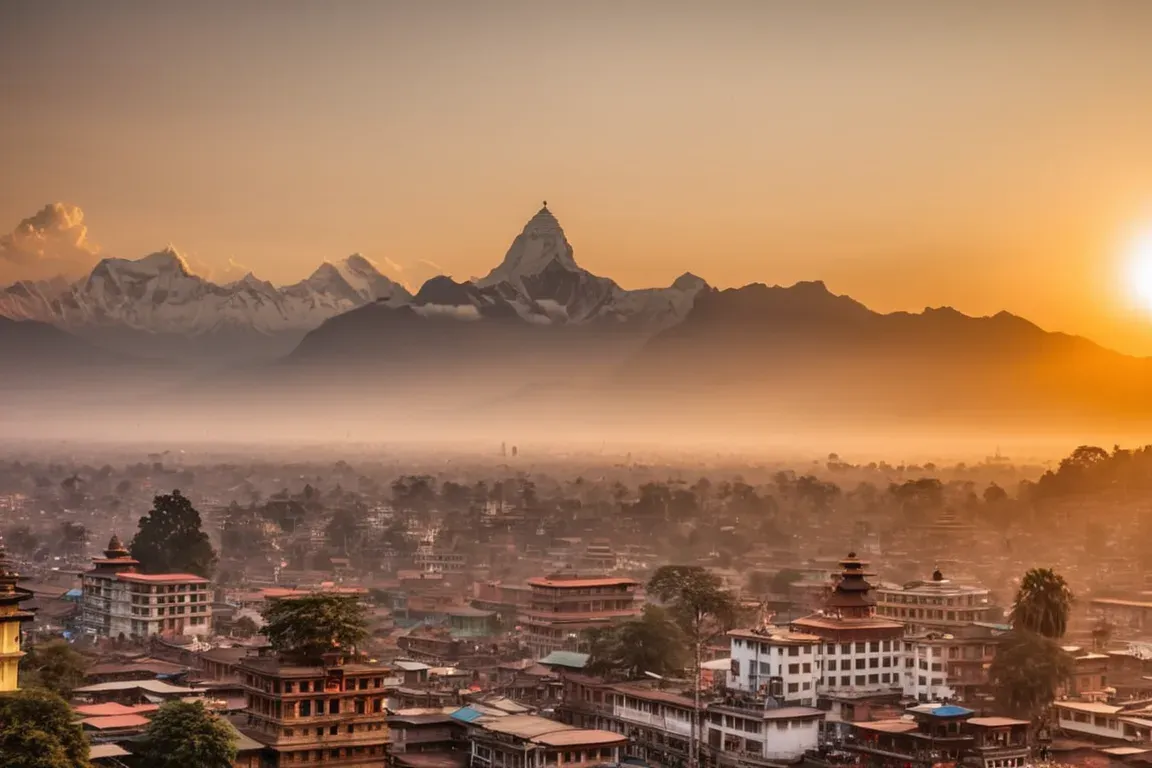
Understanding the Crowd
The crowds that define trekking in Nepal are a significant draw for many tourists. However, they also come with their own set of challenges-crowded campsites, long lines at hotels and restaurants, and the risk of missing out on unique experiences due to overwhelming tourist numbers.
Less Crowded Routes
The Everest region offers several less crowded trekking options that cater to hikers seeking a more authentic Himalayan experience. These routes often involve fewer tourists, providing a quieter environment for both physical and emotional well-being.
Trekking Options in the Everest Region
There are various treks available in the Nepal-Everest region, each offering its own unique charm. Here's an overview of some lesser-known options:
Everest Base Camp Trek (EbC)
The Everest Base Camp trek is a classic route that most people associate with Nepal. While it's popular, there are several routes to choose from depending on your preferences and the time of year you plan to hike.
- Option 1: Gokyo Lakes Trek
- Description:
- Duration:
- Costs:
- Option 2: Chhukha Trek (Chola)
- Description:
- Duration:
- Costs:
This 30-day trek takes hikers through impressive lakes, including the iconic Gokyo Ri, and offers a more intimate glimpse into the high-altitude wilderness.
2 months
$5,000-$6,000 per person
This route is shorter but equally rewarding, offering impressive views of the Everest region and an opportunity to experience traditional Tibetan culture.
30 days
$1,500-$2,000 per person
Khumbu Valley Trek
The Khumbu Valley trek is another option for those who want a shorter but still significant experience. This 3-day trek allows hikers to explore the scenic valleys of the Khumbu region and offers striking views of Everest.
- Khumbu Valley Trek:
- Description:
- Duration:
- Costs:
Nepal trekking less crowded is key here. This short but memorable trek covers a distance of about 25 kilometers over three days, offering impressive views of the Everest region and surrounding mountains.
Nepal trekking less crowded is key here. 3 days
Nepal trekking less crowded is key here. $400-$600 per person
Making Your Trekking Adventure
Nepal trekking less crowded is key here. Regardless of which option you choose, it's crucial to plan meticulously and prioritize safety. Always ensure that your trek is led by a qualified guide who understands the specific conditions of the area.
Safety Considerations
Nepal trekking less crowded is key here. Trekking in Nepal involves several health risks, including altitude sickness, extreme weather, and wildlife encounters. It's essential to follow all safety guidelines provided by local guides and authorities, ensuring your trip is both enjoyable and safe.
Conclusion: A Quiet Adventure
Nepal trekking less crowded is key here. The Everest region in Nepal offers a unique opportunity for hikers seeking less crowded routes without sacrificing quality or difficulty. Whether you prefer the longer Khumbu Valley trek or the shorter but equally rewarding Gokyo Lakes Trek, there's something out there that will suit your preferences.
Remember:
Nepal trekking less crowded is key here. Trekking in Nepal requires planning and preparation. Always prioritize safety and respect local cultures to ensure a memorable and fulfilling hiking experience.
Nepal trekking less crowded is key here. The best way to book a trip is through reputable tour operators or trekking agencies who have extensive knowledge of the region. They will provide you with essential information, including guides, permits, and logistics that can make your trip smoother and more enjoyable.
The Everest Region: An Untouched Wilderness
The Everest region, known for its towering peaks and dramatic landscapes, offers some of the most striking hiking trails in Nepal. However, this area is also one of the world's busiest trekking destinations. To experience it without the crowds, consider choosing a shorter route or focusing on lesser-known passes. The Shola Trail from Namche to Lukla provides an alternative that combines impressive views with fewer trekkers.Shorter Routes and Lesser-Visited Passes
One of the most popular trekking options is the 4-day Kala Dzong Trek, starting in Tengboche. This route avoids the main Everest trailhead but still offers fantastic panoramic views. The elevation gain here is relatively low (about 500 meters), making it a great choice for beginners and those seeking a less intense trek. Another option is the Khumbu Icefall Trek, which follows an alternative path to Everest Base Camp from Namche Bazaar. This trail avoids the busiest sections of the Everest route but still leads to one of Nepal's most iconic glaciers and mountain lakes. The 6-day route offers a mix of challenging terrain and striking scenery.Exploring Lesser-Known Passes
The Chukka La (4,000 meters) and Phaksha La (3,800 meters) are two lesser-known passes that offer impressive views. Both require acclimatization but provide a unique perspective of the Himalayas beyond the usual tourist crowds.Trade-Offs and Practical Considerations
While shorter routes and alternative passes can be more peaceful, they often come with trade-offs in terms of distance covered or elevation gained. For example, while the Kala Dzong Trek offers beautiful views without the crowds, it may take longer to reach certain high-altitude camps compared to the Everest route.Question/Answer
Q: Is there a way to get a sense of the true wilderness in Nepal's Everest region? A: Yes! By choosing shorter routes or alternative passes like those mentioned above, you can experience the real essence of the mountains without the overwhelming crowds. These paths not only offer unique and less crowded trekking experiences but also provide an opportunity to immerse yourself in nature at its purest.Question/Answer
Q: What are some practical considerations when planning a shorter route or alternative pass trek? A: Shorter routes may require more acclimatization, and the elevation gained might be lower than on the Everest route. This can affect your fitness level over the course of the trip. Additionally, you should ensure that youve adequate time to explore lesser-known passes and appreciate their natural beauty without the constant presence of tourists.Frequently Asked Questions
Q: Are shorter routes or alternative passes really worth it compared to the traditional Everest route? A: Yes, theyre! Shorter routes offer a quieter trekking experience, fewer crowds, and often more scenic views. They also give you time to fully appreciate the natural beauty of the region. Q: How can I ensure that Ive enough acclimatization for shorter routes or alternative passes? A: It's essential to start acclimatizing at least two weeks before your trek starts. This allows your body to adjust to the higher elevations without putting a strain on your system. Q: Are there any specific health considerations when hiking in Nepal, especially with a shorter route or alternative pass? A: Yes, it's important to stay hydrated and take plenty of rest days as you acclimatize to high altitudes. If possible, bring altitude sickness medication as a precautionary measure. Q: Can I still climb Mount Everest from these routes without having to go through the usual trekking route? A: Not directly, but some alternative passes can lead to summits like Kala Dzong or Phaksha La that offer panoramic views of Mount Everest. However, youd need a permit and follow specific guidelines to avoid disrupting wildlife and conservation areas.Conclusion
By choosing a shorter route or exploring lesser-known passes in the Everest region, you can have an authentic hiking adventure without the crowds. Nepal's untamed wilderness is waiting for those who seek tranquility amidst the mountains. Whether you're looking for impressive views, peace of mind, or a more challenging trekking experience, there's something out there for everyone.